A stalled excavator halfway through a project can leave an entire crew waiting, delay other contractors, and disrupt your schedule. When heavy equipment breaks down unexpectedly, your first priority should be securing the machine and identifying the safest way to get it repaired.
Knowing when to request heavy equipment repair in Phoenixville, PA can help you avoid additional damage, unnecessary delays, and mounting downtime costs.
What Should You Do Immediately After Heavy Equipment Breaks Down?
The first few minutes after a breakdown matter. Continuing to operate a malfunctioning machine can turn a manageable repair into extensive component damage or create unnecessary safety risks.
If your excavator, skid steer, loader, or other construction equipment stops working, follow these steps:
- Stop operating the machine: Discontinue work when you notice severe power loss, overheating, hydraulic failure, or abnormal mechanical noises.
- Move to a safe location if possible: Only reposition the equipment if it can be moved safely without worsening the problem.
- Lower attachments and secure the machine: Follow the manufacturer's shutdown procedures, lower supported attachments, engage the parking brake, and isolate the equipment.
- Check for visible warning signs: Look for fluid leaks, damaged hoses, warning lights, smoke, or unusual odors without approaching hazardous components.
- Record the symptoms: Note what happened before the failure, including changes in engine performance, hydraulic movement, or operating temperature.
- Contact a heavy equipment repair professional: Explain the equipment type, location, symptoms, and whether the machine can be transported.
Avoid attempting repairs around pressurized hydraulic lines, suspended attachments, or overheated engine components. These systems can remain hazardous after shutdown.
What Are the Most Common Causes of Heavy Equipment Breakdowns?
Construction equipment operates under heavy loads, often in dusty, muddy, or demanding conditions. Extended operating hours and repeated hydraulic movement can accelerate component wear, especially when maintenance falls behind.
Several problems commonly lead to unexpected heavy equipment breakdowns.
Hydraulic System Failures
Hydraulic systems power the lifting, digging, steering, and attachment functions of many construction machines. Damaged hoses, contaminated fluid, worn pumps, or internal leaks can reduce hydraulic pressure and interfere with equipment operation.
Common warning signs include:
- Slow or inconsistent boom and bucket movement
- Hydraulic fluid leaking around hoses or fittings
- Attachments drifting or failing to hold their position
- Unusual hydraulic pump noises
- Excessive hydraulic fluid temperatures
Replacing a damaged hose may restore operation, but repeated failures can indicate a deeper problem involving contamination, pressure, or component wear.
Similar problems affect agricultural machinery. Our article on agricultural hydraulic system failures explains how fluid contamination, heat, and neglected maintenance contribute to recurring hydraulic problems.
Diesel Engine and Cooling Problems
A diesel engine that overheats or loses power under load may have a cooling, fuel delivery, air intake, or mechanical problem. Continued operation can increase the risk of expensive engine damage.
Potential causes include coolant leaks, restricted radiators, damaged hoses, worn belts, faulty cooling components, or fuel system restrictions.
If the engine temperature rises unexpectedly, stop work and follow the manufacturer's shutdown instructions. Allow overheated components to cool before any qualified inspection.
Electrical and Starting Failures
Electrical problems can prevent machinery from starting or interrupt operation without much warning. Batteries, alternators, starters, wiring, sensors, and electrical connections may contribute to these failures.
Intermittent starting problems, dashboard warnings, or electrical functions that stop working deserve attention before they leave equipment stranded.
How Much Can an Unexpected Heavy Equipment Breakdown Cost?
The repair bill is only one part of the expense. Unplanned equipment downtime can affect labor, scheduling, equipment utilization, and the profitability of an entire construction project.
The cost of equipment downtime becomes especially significant when other tasks depend on the machine that has stopped working.
A single breakdown can create several expenses:
- Idle labor costs: Operators and other crew members may remain on the clock while waiting for repairs.
- Project delays: Excavation, grading, loading, or material handling work may fall behind schedule.
- Replacement equipment expenses: Renting another machine can increase project costs.
- Transportation charges: Equipment that cannot be repaired at its location may require specialized transport.
- Additional component damage: Continuing to operate faulty machinery can turn a smaller problem into a major repair.
- Scheduling disruptions: Delayed work may affect subcontractors, deliveries, and upcoming projects.
Consider a wheel loader that develops a hydraulic failure during a material-handling job. The machine's downtime may also prevent trucks from being loaded and leave other workers unable to complete their assigned tasks.
That is why early diagnosis and a practical repair plan matter.
When Should You Request Emergency Heavy Equipment Repair?
Not every mechanical issue requires an emergency response. However, certain failures demand prompt professional attention because they can affect safety, damage major components, or completely stop jobsite operations.
You should arrange urgent heavy equipment diagnostics and repair when you encounter:
- Complete equipment shutdown: The engine stalls or the machine cannot restart.
- Major hydraulic failure: The boom, bucket, steering, or another critical hydraulic function stops responding correctly.
- Severe overheating: Engine temperature rises beyond normal operating limits.
- Sudden power loss: Equipment cannot perform its normal workload or repeatedly loses power.
- Significant fluid leaks: Hydraulic oil, coolant, fuel, or engine oil escapes from the machine.
- Abnormal mechanical noises: Loud knocking, grinding, or other unusual sounds suggest a possible component failure.
- Safety-related malfunctions: Braking, steering, or essential controls no longer operate as intended.
A technician can assess the reported symptoms, determine the likely repair requirements, and help establish whether the machine needs field service or shop repairs.
Can Heavy Equipment Be Repaired Directly at the Jobsite?
Some heavy equipment repairs can be completed on-site, depending on the failure, available parts, equipment accessibility, and working conditions.
A mobile repair visit may allow a technician to inspect the machine and address supported problems without transporting it to a repair facility.
However, extensive engine damage, major component failures, and repairs requiring specialized shop equipment may make transportation necessary.
Before requesting mobile heavy equipment repair, provide the following details:
- Equipment make, model, and approximate operating hours
- Jobsite location and available access for a service vehicle
- Description of the failure and warning indicators
- Recent repairs or recurring performance issues
- Whether the machine can start, move, or operate safely
- Photos of visible damage or leaks, if available
Accurate information helps the repair provider prepare for the service call and determine the appropriate next steps.
How Can You Prevent Future Heavy Equipment Breakdowns?
Emergency repairs address immediate failures, but consistent maintenance helps reduce the likelihood of another unexpected shutdown.
A practical heavy equipment preventive maintenance program should reflect the machine's operating hours, manufacturer requirements, workload, and environmental conditions.
Important maintenance tasks include:
- Fluid inspections: Check engine oil, coolant, hydraulic fluid, and other applicable fluids for proper levels and condition.
- Filter maintenance: Replace air, fuel, oil, and hydraulic filters according to equipment requirements.
- Hydraulic inspections: Monitor hoses, fittings, cylinders, and hydraulic performance for developing problems.
- Cooling system checks: Inspect radiators, hoses, coolant condition, and related components.
- Electrical system testing: Address weak batteries, damaged wiring, charging problems, and recurring fault codes.
- Undercarriage and wear inspections: Check tracks, rollers, pins, bushings, and other applicable wear components.
- Maintenance records: Document operating hours, completed repairs, and recurring issues to help identify patterns.
Consistent preventive maintenance strategies can help equipment owners address developing faults before they result in avoidable downtime.
Get Your Heavy Equipment Back to Work
A heavy equipment breakdown can disrupt an entire project, but the right response can help limit additional damage and unnecessary delays. Secure the machine, document the symptoms, and arrange professional diagnosis before returning it to operation.
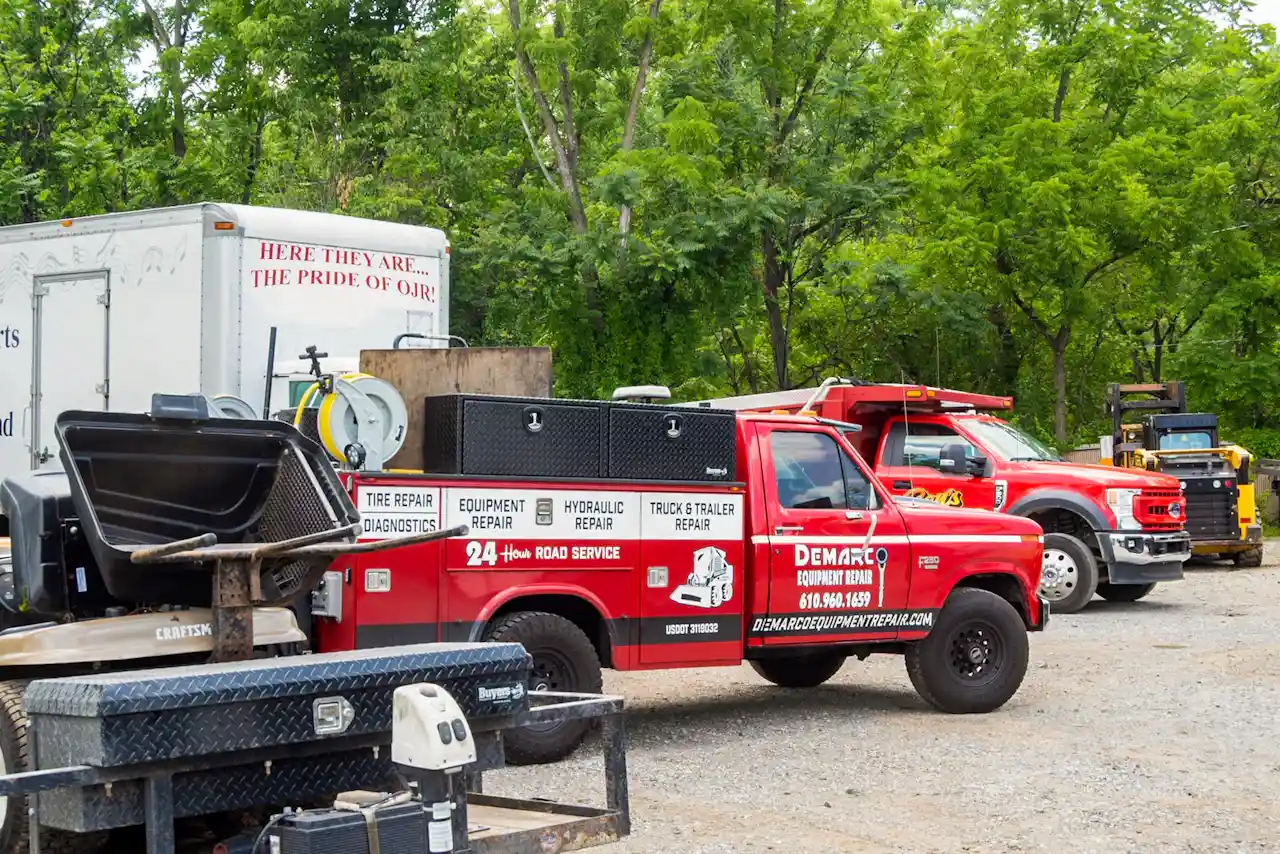
DeMarco Equipment Repair provides diesel-powered construction equipment diagnostics, maintenance, and repair. Our team works with excavators, skid steers, loaders, dozers, backhoes, and other commercial machinery.


