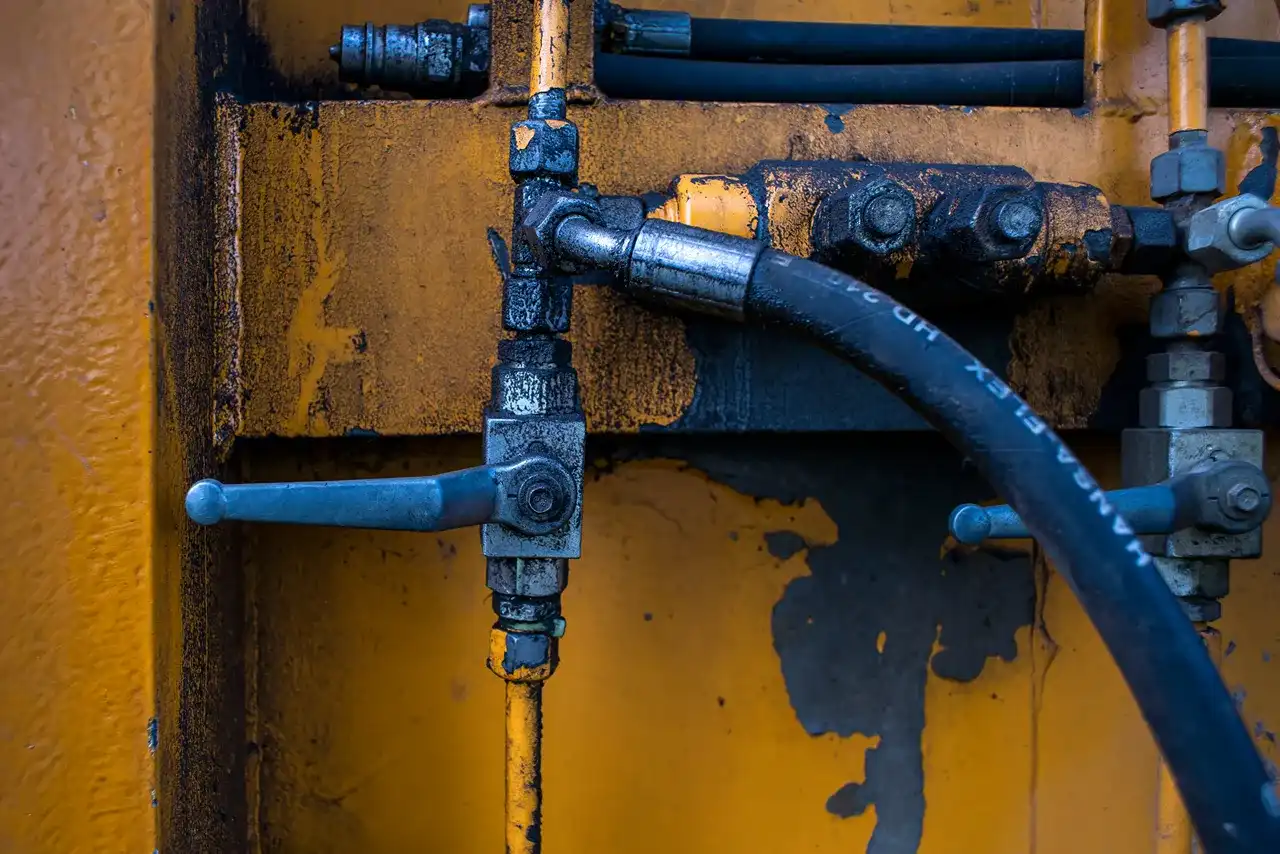
The tractor still moves, but the loader responds slower. A hydraulic cylinder starts drifting, another hose develops a leak, or an implement suddenly won't operate as expected.
Repeated agricultural hydraulic system failure often means an underlying condition hasn't been corrected. Finding that cause early can help you avoid repeat repairs, lost field time, and additional component damage.
Why Does Your Agricultural Hydraulic System Keep Failing?
Agricultural hydraulic systems depend on clean fluid moving through pumps, valves, hoses, cylinders, and other components. Contamination, excess heat, leaks, poor fluid condition, and component wear can interfere with that process.
Replacing a failed hose, seal, or pump may restore operation temporarily. If the condition that caused the failure remains, however, another breakdown may follow.
Common causes include:
- Contaminated or degraded hydraulic fluid
- Restricted hydraulic filters
- Internal or external hydraulic leaks
- Excessive hydraulic temperatures
- Damaged hoses and fittings
- Worn pumps, valves, or cylinders
- Incorrect fluid levels
- Air entering the hydraulic circuit
Repeat failures deserve extra attention. If the same circuit or component keeps giving you trouble, diagnosis should go beyond replacing the latest failed part.
How Does Contaminated Hydraulic Fluid Damage Farm Equipment?
Your hydraulic fluid transfers force while also helping lubricate hydraulic components. Dirt, moisture, metal particles, and other contamination can compromise fluid condition and accelerate wear.
Agricultural equipment regularly works around soil, dust, crop residue, and other contaminants. That makes proper fluid handling and filtration particularly important during service.
A thorough hydraulic system inspection should consider fluid and filter condition when a component fails. Installing new components without addressing contaminated fluid can expose those parts to the same damaging conditions.
Why Does Agricultural Equipment Overheat Hydraulics?
Heat can become a serious problem when your hydraulic system works hard for extended periods. Restricted flow, low or degraded fluid, worn components, and other system problems may contribute to excessive operating temperatures.
High hydraulic temperatures can accelerate fluid deterioration and damage seals, hoses, and other components. A machine that becomes unusually hot while operating an attachment deserves inspection.
Don't assume heat is normal simply because you're working the equipment hard. A change from its usual operating behaviour can provide an early clue that something isn't right.
What Do Hydraulic Leaks Tell You?
Oil on a hose or underneath a machine is easy to notice. However, not every hydraulic leak sends fluid onto the ground.
External leaks commonly develop around:
- Hoses and crimps
- Fittings and connections
- Cylinder seals
- Hydraulic lines
- Pump or valve connections
Internal hydraulic leakage can produce different symptoms. A cylinder that drifts, weak hydraulic performance, slow movement, or excess heat can indicate a problem that requires further testing.
Repairing the leak matters, but determining why it developed matters too. Recurring failures around the same hose, seal, or connection can point toward a larger issue.
Why Do Agricultural Hydraulic Hoses Keep Failing?
Farm equipment puts hydraulic hoses through demanding working conditions. Hoses flex as implements move, encounter dirt and debris, and may operate close to hot or moving components. Inspect hoses for abrasion, cracking, damaged outer covers, leaking fittings, and other visible deterioration. Routing also matters because contact with another component can gradually wear through a hose. Repeated hose failures shouldn't automatically be blamed on the hose itself.
A technician should consider routing, pressure, heat, fittings, movement, and the condition of the surrounding hydraulic system.
Why Do Hydraulic Pumps Wear Out?
Your hydraulic pump provides the flow needed to operate cylinders, motors, steering systems, and hydraulic attachments. Contamination, inadequate lubrication, excessive heat, aeration, and other system problems can contribute to pump wear. Changes in sound or performance deserve attention. A hydraulic system that suddenly becomes noisy, slow, weak, or unusually hot should be inspected before the pump fails completely.
Replacing a pump without checking the rest of the system can lead to another expensive repair. Fluid condition, filtration, lines, and related components should be considered during hydraulic diagnostics.
What Is Agricultural Hydraulic Downtime Really Costing You?
A repair invoice is easy to measure. Lost productivity during planting, harvesting, material handling, or other time-sensitive work can be harder to calculate.
Farm equipment downtime may create costs through:
- Lost operating hours
- Delayed planting or harvesting
- Idle operators
- Replacement parts and fluids
- Repeat labour costs
- Equipment transportation
- Rental or backup equipment
- Secondary component damage
- Missed production schedules
The cost changes with the machine and season. A hydraulic failure on equipment sitting in the yard near Phoenixville is inconvenient, but that same failure during a time-sensitive job can disrupt an entire day's work.
What Are the Warning Signs of Hydraulic Problems?
Hydraulic systems often provide clues before complete failure. Catching those changes gives you a chance to schedule agricultural equipment repair before the machine becomes unusable.
Watch for:
- Slower hydraulic response
- Weak lifting performance
- Jerky implement movement
- Cylinder drift
- Unusual pump noise
- Fluid around hoses or fittings
- Increasing operating temperatures
- Foamy or unusual-looking fluid
- Repeated hose or seal failures
Operators should report these changes as soon as they appear. Note whether the symptom happens when the machine is cold, after extended operation, or only under load.
Those details can make hydraulic troubleshooting considerably more useful.
How Can Preventive Maintenance Reduce Agricultural Hydraulic Failures?
Effective hydraulic maintenance starts before a hose bursts or an implement stops moving. Regular inspections give you opportunities to find leaks, damaged hoses, fluid concerns, and developing component wear. Follow the equipment manufacturer's recommendations for hydraulic fluid, filters, service intervals, and inspection procedures. Operating environment and workload should also factor into your maintenance planning.
Preventive maintenance uses systematic inspections and servicing to identify potential problems before they escalate into larger failures. That approach can reduce unexpected downtime and extend the useful life of equipment.
How Do You Stop Repeat Hydraulic Failures?
Treat repeat failures as evidence that the system needs a closer look. Good agricultural hydraulic repair addresses the failed component while investigating the conditions that caused it to fail. Depending on the symptoms, diagnosis may include inspecting fluid, filters, hoses, fittings, cylinders, valves, pumps, temperatures, and system performance. Maintenance records can also reveal whether the same problem has happened before.
Three repairs involving the same hydraulic circuit tell you more than three separate work orders viewed in isolation.
Protect Your Equipment From Downtime
Recurring agricultural hydraulic system problems can stem from contamination, leaks, excessive heat, worn components, or maintenance issues. Catching warning signs early gives you more control over when repairs happen and can reduce the risk of additional damage.
If your agricultural equipment keeps developing hydraulic problems around Phoenixville, PA, contact Demarco Equipment Repair for agricultural equipment repair and hydraulic diagnostics. Addressing the underlying cause can help keep your equipment productive when you need it.
Hydraulic trouble is only one way equipment warns you before a major breakdown, so learn the seven warning signs of heavy equipment failure.


